
Is Stage 2 Breast Cancer Curable?
Medically reviewed by: Dr. Jay R. Anam
Successful treatment of breast cancer depends upon the stage it gets diagnosed.
If breast cancer is diagnosed in the early stages, there are high chances to cure it.
But, how can we identify it in its early stages?
Read further, we have also mentioned symptoms of stage 2 breast cancer
OR
Watch this Video
What is Stage 2 Breast Cancer?
In stage 2 breast cancer, the tumour is less than 5 cm and has limited spread to lymph nodes or tumours more than 5 cm without spread to nodes.
The doctors identify it by seeing whether cancer has spread its way to the lymph node or not and by the size of the tumour.
In this stage, the tumour has grown to the size of 2-5cm. It has grown so much that even you can detect the tumour through a breast self-exam.
Symptoms of Stage 2 Breast Cancer
There are no particular symptoms of stage 2 breast cancer. Although, the lump in this stage is around 2-5 cm, which can be felt during a self-examination.
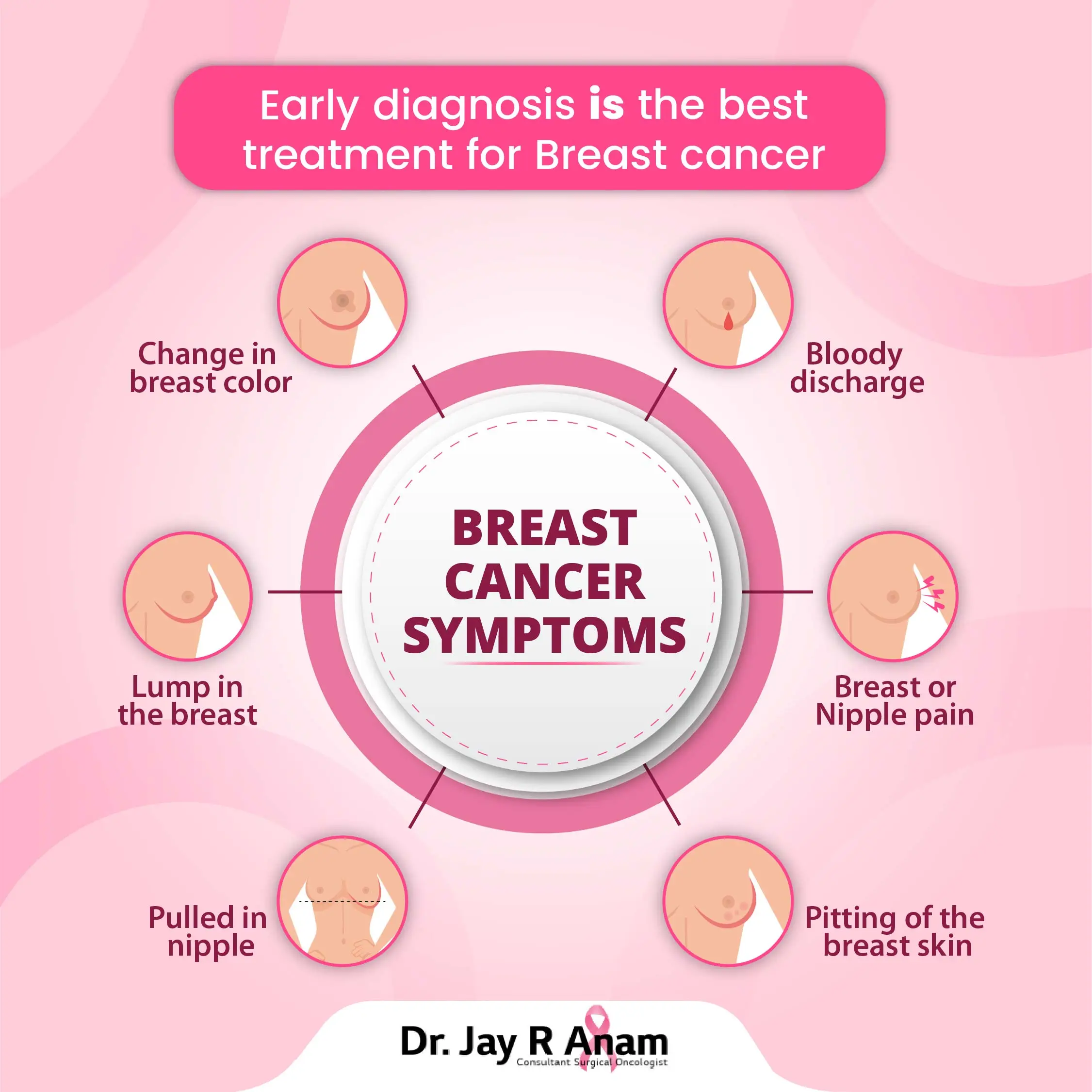
The other later symptoms might include a change in the shape and size of the breast, inverted or retracted nipples, bloody discharge, etc.
Also Read : Healthy Tips to Prevent Breast Cancer
Diagnosis and Treatment for Stage 2 Breast Cancer
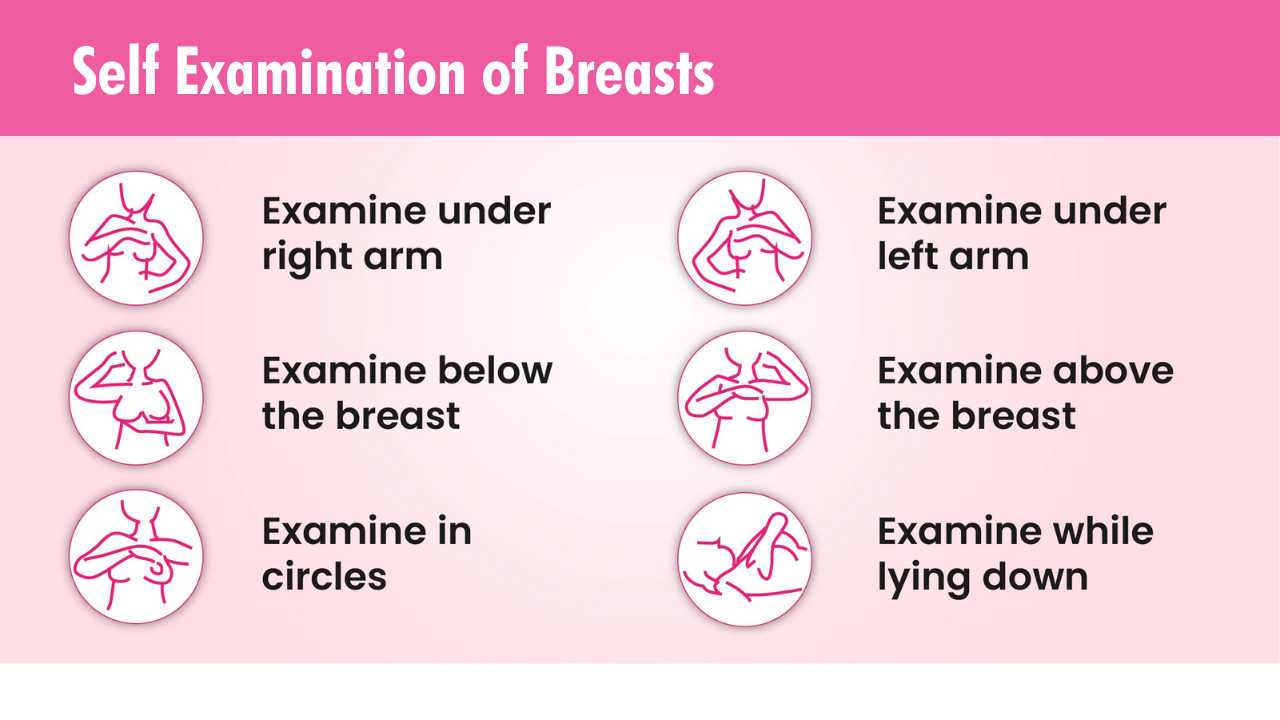
The method of diagnosing breast cancer includes different diagnostic processes like mammography, physical exams and core needle biopsies of the breast lump and the enlarged lymph nodes.
After going through the different processes, the doctor tailors the optimal treatment plan.
These treatment options might include:
- Surgery :
Surgery is the mainstay for the tumour of any solid organ. Surgery can be in the form of breast conservation with wide excision of the breast lump or a mastectomy.
The type of surgery depends on the breast tumour size, receptor status and patient compliance.
In some selected stage 2 diseases like one’s with enlarged axillary nodes or triple-negative receptor status, surgery may be planned after giving chemotherapy to the patient.
- Oncoplasty :
Surgery for breast cancer is incomplete without offering oncoplasty to the patient.
Oncoplasty is a cosmetic surgery that integrates plastic surgery principles for breast reshaping and reconstruction immediately after excising the breast tumour.
Options from partial breast reconstruction to whole breast reconstruction following mastectomy are available.
- Chemotherapy :
This therapy is given before or after surgery to prevent recurrence and to deal with cells migrated to various organs not detected by routine investigation.
If given before surgery it even reduces the size of the breast tumour and thus even facilitates breast conservation in some cases where mastectomy was planned.
- Radiation Therapy :
The doctors recommend this therapy after you have gone through surgery.
Radiation therapy helps in reducing the risk of local recurrence. In stage 2 it is indicated if the tumour size is more than 5 cm or if the tumour has spread to the axillary nodes.
Radiation therapy is mandatory in all cases of breast conservation surgery, immaterial of the size of the tumour or nodal status.
- Hormone therapy :
The doctors give hormone therapy with tamoxifen or letrozole etc in the form of an oral tablet for the next five to seven years after surgery if the cancer is hormone receptor-positive.
Also,
A must-read for all women, Does Underarm Lump Lead to Breast Cancer?
Can Stage 2 Cancer come back?
Local recurrence depends on the type of surgery and the biology of the tumour cells.
It is estimated that when the axillary lymph node involved in the disease is not cancerous, the recurrence rate is 6% in five years.
At the same time, it is 23% when the axillary lymph nodes involved are cancerous without the use of radiation.
Stage 2 Breast Cancer Survival Rate
According to the American Cancer Society findings, the 5-year survival rate is 99% if cancer has not spread outside the breast tissue.
But, it is 86% if cancer has spread to nearby lymph nodes.
However, now with the addition of targeted therapy in the treatment of breast cancer, the survival rate has also increased significantly.
Conclusion
Stage 2 cancer is a bit more serious than stage 1 cancer, but with early treatment, patients can be completely cured of the disease.
The recurrence rate is also low if treated immediately. However, cancer is a highly progressive disease that spreads at an increased rate.
Thus, it is essential to take measurements as soon as possible. So, make sure to follow all the instructions provided by the doctors and change to a healthy lifestyle.
This includes daily exercise, avoiding junk food and alcohol and maintaining an optimal weight.
If you detect any changes in your breast, consult a Breast Cancer Specialist immediately. Also, you can book an appointment with our experts to understand more about breast cancer.
Appointment Form

About Author
Dr. Jay Rashmi Anam
Surgical Oncologists
15+
Year Of Experience
MMC- 2006031309 (2006)
Dr. Jay Anam is one of the best surgical oncologists & breast cancer specialist in Mumbai.
Dr. Jay Anam has Completed his M.Ch. Surgical Oncology training from Tata Memorial Centre. He did his Fellowship in Breast Oncology from Centre Oscar Lambret, Lille, France.
As a breast cancer specialist, he believes in world-class cancer care for all patients.
Latest Blogs

Red Spot on Breast? When to Worry About Inflammatory Breast Cancer
Home| BlogsRed Spot on Breast? When to Worry About Inflammatory Breast CancerDiscovering a new red spot or rash on your breast can be worrying. While many skin changes are harmless, it's natural to wonder if it could be something more serious, like inflammatory breast...
Understanding Stage 4 Breast Cancer: A Guide to Its Symptoms
Home| BlogsUnderstanding Stage 4 Breast Cancer: A Guide to Its SymptomsReceiving a breast cancer diagnosis is difficult, and hearing the words "stage 4" or "metastatic" can be overwhelming. This advanced stage of the disease means the cancer has spread beyond the...
Mammography vs Ultrasound: Which is Best for Breast Cancer?
Home| BlogsMammography vs Ultrasound: Which is Best for Breast Cancer?Receiving a recommendation for breast imaging can be a stressful and confusing experience. You might be wondering why your doctor suggested a specific test, or what the difference is between the...
Facing breast cancer surgery is a brave step, and we know the recovery process may feel overwhelming at times. One aspect of recovery many patients encounter is managing surgical drains.
While these medical devices play a crucial role in your healing, they can be intimidating at first. But don’t worry. With the right knowledge and tools, you can manage them confidently and focus on feeling better.
This guide is here to walk patients and caregivers through every step of drain care—from the basics to troubleshooting to emotional support. By the end, you'll feel prepared to tackle this part of your recovery with ease.

Author

Dr. Jay Anam
Breast Cancer Surgeon and Oncoplasty specialist in Mumbai
Introduction
Why are surgical drains important after breast cancer surgery? These small, plastic tubes help remove excess fluids that can build up in your body as you heal. Getting rid of this fluid reduces swelling, prevents complications like infections, and helps your body recover faster.
We’ll cover everything you need to know, including how to empty and clean your drains, spot signs of infection, manage discomfort, and return to daily life with confidence.
Understanding Surgical Drains
To start, it’s helpful to understand what surgical drains are and why they’re used.
What Are Surgical Drains and Why Are They Necessary?
After surgery, your body produces fluid as part of its natural healing process. Sometimes, this fluid needs help draining so it won’t pool under the skin. That's where surgical drains come in.
Types of Drains
There are a few kinds of surgical drains commonly used:
- Jackson-Pratt (JP) drain – Often shaped like a small bulb, this popular option collects fluid that you can measure and empty.
- Hemovac drain – A slightly larger round container, often used for higher drainage needs.
Your surgeon will determine the best type for you based on your surgery.
How Long Will They Stay in Place?
The timeline varies. Most patients have their drains for 7 to 14 days, but it depends on how much fluid they produce. Don’t worry; your doctor will remove them once output slows down.
Step-by-Step Drain Care Guide
Drain care is manageable if broken down into steps. Let's cover the essentials.
How to Empty the Drain Properly
- Wash your hands thoroughly with soap before touching the drain.
- Unplug the bulb or container, holding it upright.
- Carefully pour the fluid into a measuring cup.
- Record the amount and time in a log to share with your doctor.
- Squeeze the bulb to reset the suction before plugging it back in.
💡 Tip: Empty the drains 2-3 times a day, or whenever they’re about half full.
Cleaning & Infection Prevention
- Gently clean around the drain site with soap and water or antibacterial wipes. Avoid tugging or rubbing the area.
- Watch for signs of infection, such as:
- Redness or swelling around the site
- Fever above 100.4°F
- Foul odor or colored drainage
If you notice these, call your doctor.
Best Sleeping Positions
Finding a comfortable position can be tricky. Try:
- Sleeping on your back with pillows under your arms for support.
- If you’re a side sleeper, place a small cushion around the drains for padding and avoid putting pressure on them.
💡 Tip: A drain-friendly post-surgery pillow with built-in pockets can make rest easier.
Showering & Hygiene Tips
Ask your surgeon if showers are allowed. If so:
- Cover your drains with a waterproof dressing or use a surgical drain belt.
- Limit water exposure to avoid infections.
If showering isn’t an option, stick to sponge baths until your doctor gives the green light.
Recognizing and Managing Complications
Sometimes, issues arise. Here’s what to keep an eye on:
When to Call Your Doctor
- Drainage suddenly increases or stops altogether
- Severe pain or swelling
- Fever or signs of infection
Dealing with a Clogged Drain
A frequent issue is a clogged drain. If you notice reduced suction:
- Milk the tube by gently squeezing it to dislodge the blockage.
- If this doesn’t help, notify your healthcare provider promptly.
Signs of Seroma (Fluid Buildup)
Once drains are removed, some patients develop a seroma. Symptoms include swelling, tenderness, or a feeling of liquid under the skin. While many seromas go away on their own, consult your doctor for advice.
Pain & Discomfort Management
-
Pain is part of recovery, but you don’t have to suffer unnecessarily.
Medication vs. Non-Drug Relief
- Use prescribed painkillers as directed.
- Non-medical options, like a cold compress or heating pad (with your doctor’s approval), can help with aches and stiffness.
Gentle Exercises
Simple arm stretches or shoulder rolls can prevent tightness, but avoid anything strenuous. A physical therapist can provide guidance.
Relaxation Techniques
Practice deep breathing or try mindfulness exercises to cope with discomfort.
Diet & Nutrition for Faster Healing
Fueling your body helps tissues heal faster. Focus on:
- Protein-rich foods, like lean meats, tofu, beans, and eggs.
- Anti-inflammatory options, like berries, leafy greens, and nuts.
- Drink plenty of water every day.
- Consider supplements, like zinc or vitamin C, but check with your doctor first.
Physical Activity & Movement Guidelines
Movement helps, but balance is key:
- Begin with light stretches or short walks to prevent stiffness.
- Avoid lifting anything heavier than a few pounds in the first week.
- Your doctor will guide you on when you can resume driving or house chores.
💡 Tip: Use a supportive bra to minimize any strain during recovery.
Emotional & Psychological Support
Caring for drains can feel isolating. It’s okay to have mixed emotions.
Coping with Anxiety
Deep breathing, journaling, or talking to a friend can help manage stress.
Find Support Groups
Connect with others who’ve been in your shoes. Online breast cancer recovery forums or local groups can make you feel less alone.
Mental Health Resources
Don’t hesitate to reach out to a counselor or therapist to process emotions during your recovery.
Emotional & Psychological Support
Caring for drains can feel isolating. It’s okay to have mixed emotions.
Coping with Anxiety
Deep breathing, journaling, or talking to a friend can help manage stress.
Find Support Groups
Connect with others who’ve been in your shoes. Online breast cancer recovery forums or local groups can make you feel less alone.
Mental Health Resources
Don’t hesitate to reach out to a counselor or therapist to process emotions during your recovery.